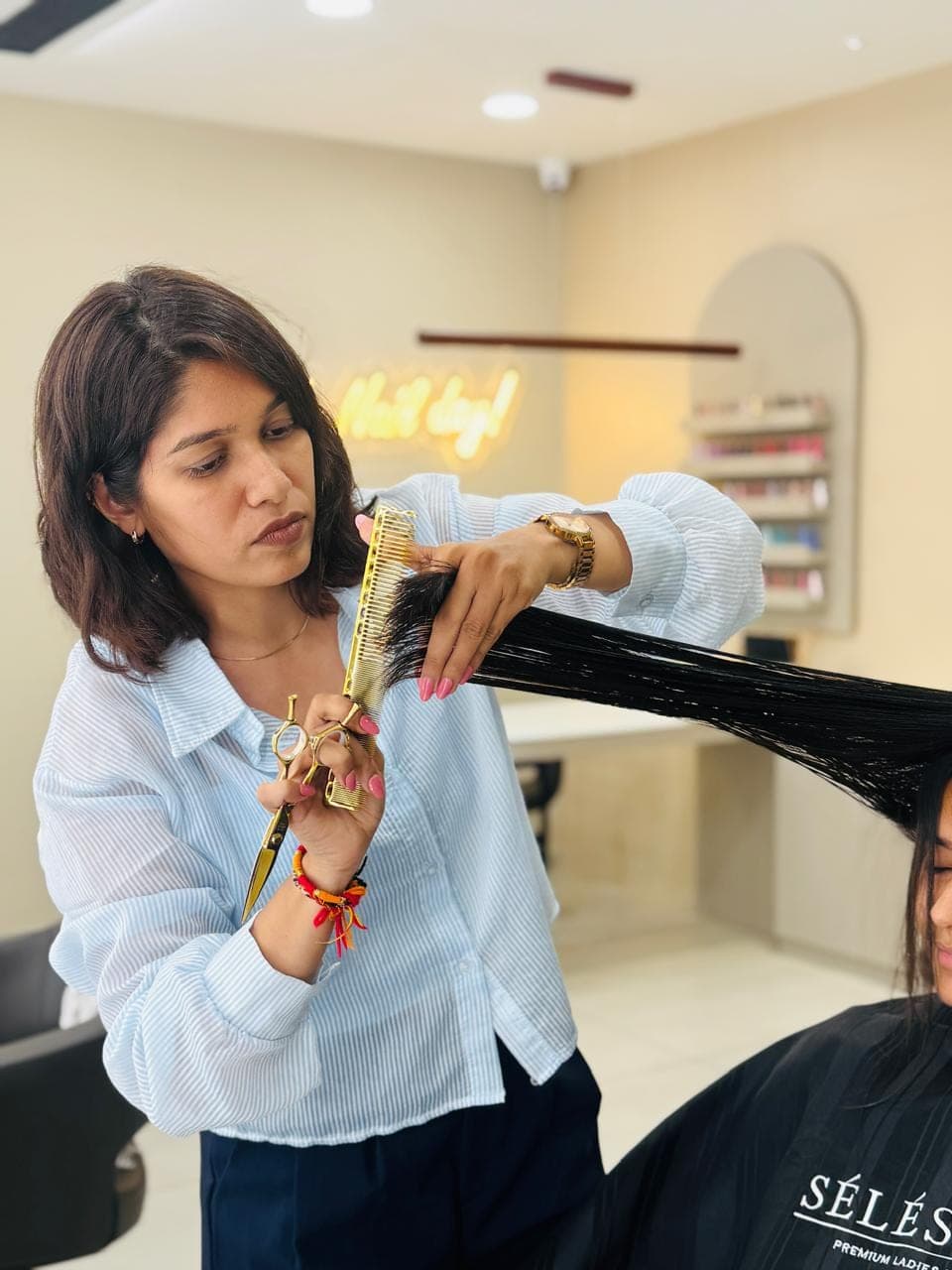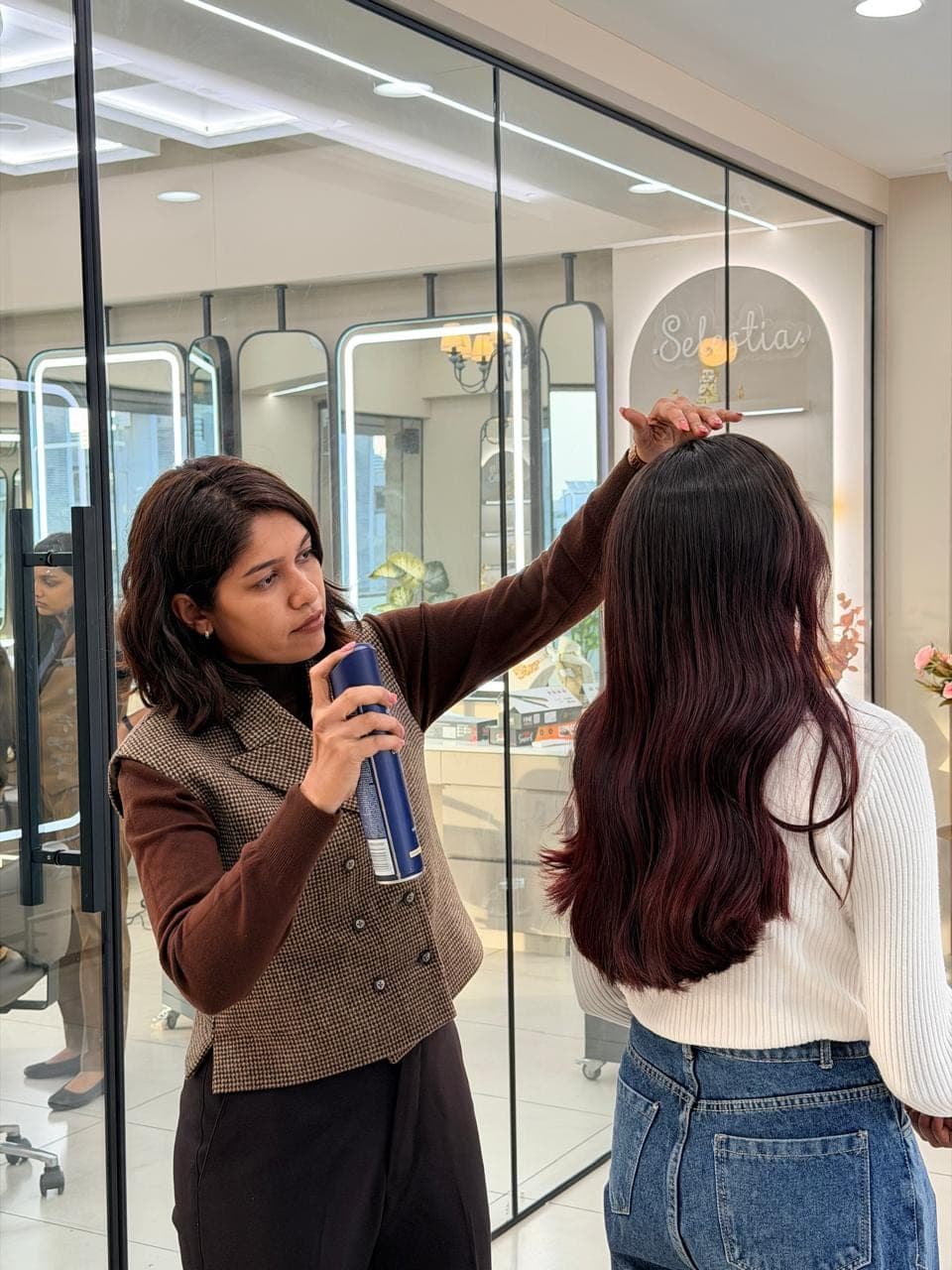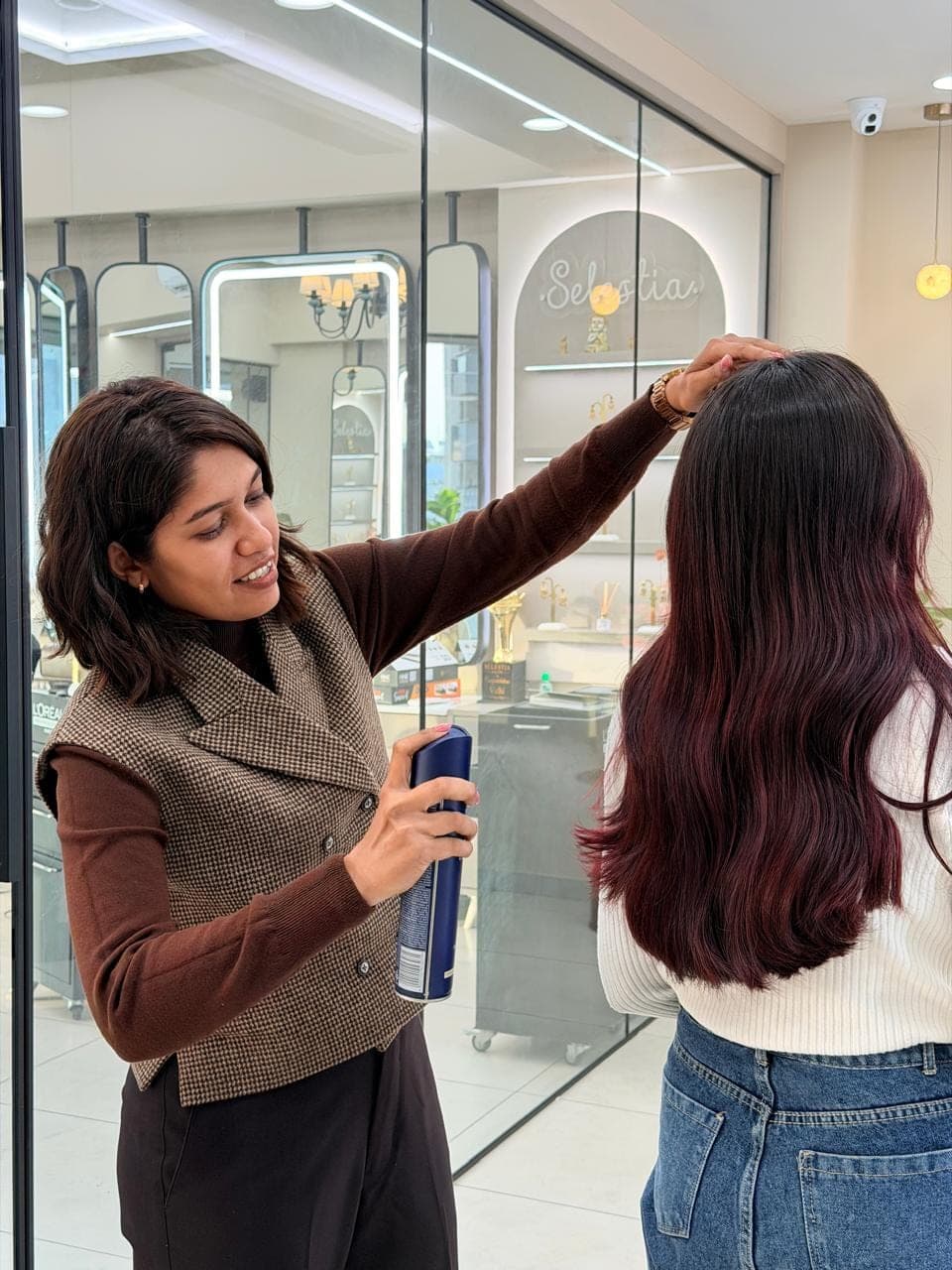
Changing your hair color is one of the easiest ways to refresh your look and express your personality. Whether you're looking for a subtle makeover, elegant highlights, a bold fashion shade, or complete grey coverage, choosing the best hair color salon in Rajkot ensures beautiful, long-lasting results while protecting the health of your hair.
At Selestia Premium Ladies Salon, we specialize in customized hair coloring services using premium professional products and advanced coloring techniques. Our experienced hair color experts help you choose shades that complement your skin tone, lifestyle, and personal style for a stunning yet natural finish.
Professional consultation is important because the right shade depends on your skin tone, undertones, hair condition, and previous color history.
Why Choose Professional Hair Coloring?
Professional hair coloring offers benefits that go beyond changing your hair color.
Benefits of Professional Hair Coloring
- Personalized shade consultation
- Even color application
- Better grey coverage
- Longer-lasting color
- Healthier-looking hair
- Reduced risk of uneven results
- Professional aftercare guidance
- Customized techniques for every hair type
Professional colorists evaluate your hair health and recommend shades that enhance your natural features instead of following a one-size-fits-all approach.
Hair Color Services at Selestia Premium Ladies Salon
We offer a complete range of professional hair coloring services.
Global Hair Color
Transform your entire look with rich, vibrant, and even hair color.
Perfect for:
- Complete makeover
- Grey hair coverage
- Rich brunette shades
- Fashion colors
Hair Highlights
Add brightness and dimension without coloring your entire hair.
Popular highlight styles include:
- Face-framing highlights
- Babylights
- Traditional foil highlights
- Money Piece Highlights
Balayage
Balayage creates a soft, natural, sun-kissed appearance with seamless blending and lower maintenance than traditional highlights.
Ideal for:
- Natural-looking hair color
- Low-maintenance beauty
- Soft dimension
- Luxury hair transformation
Soft, blended balayage remains one of the most requested salon techniques because it grows out naturally and requires fewer touch-ups.
Ombre Hair Color
A beautiful gradient from darker roots to lighter ends.
Perfect for women who love modern hair trends.
Root Touch-Up
Maintain your existing color while covering new hair growth.
Recommended every 4–8 weeks depending on hair growth.
Grey Hair Coverage
Professional grey coverage provides natural-looking results while maintaining shine and dimension.
Fashion Hair Colors
Express your personality with shades like:
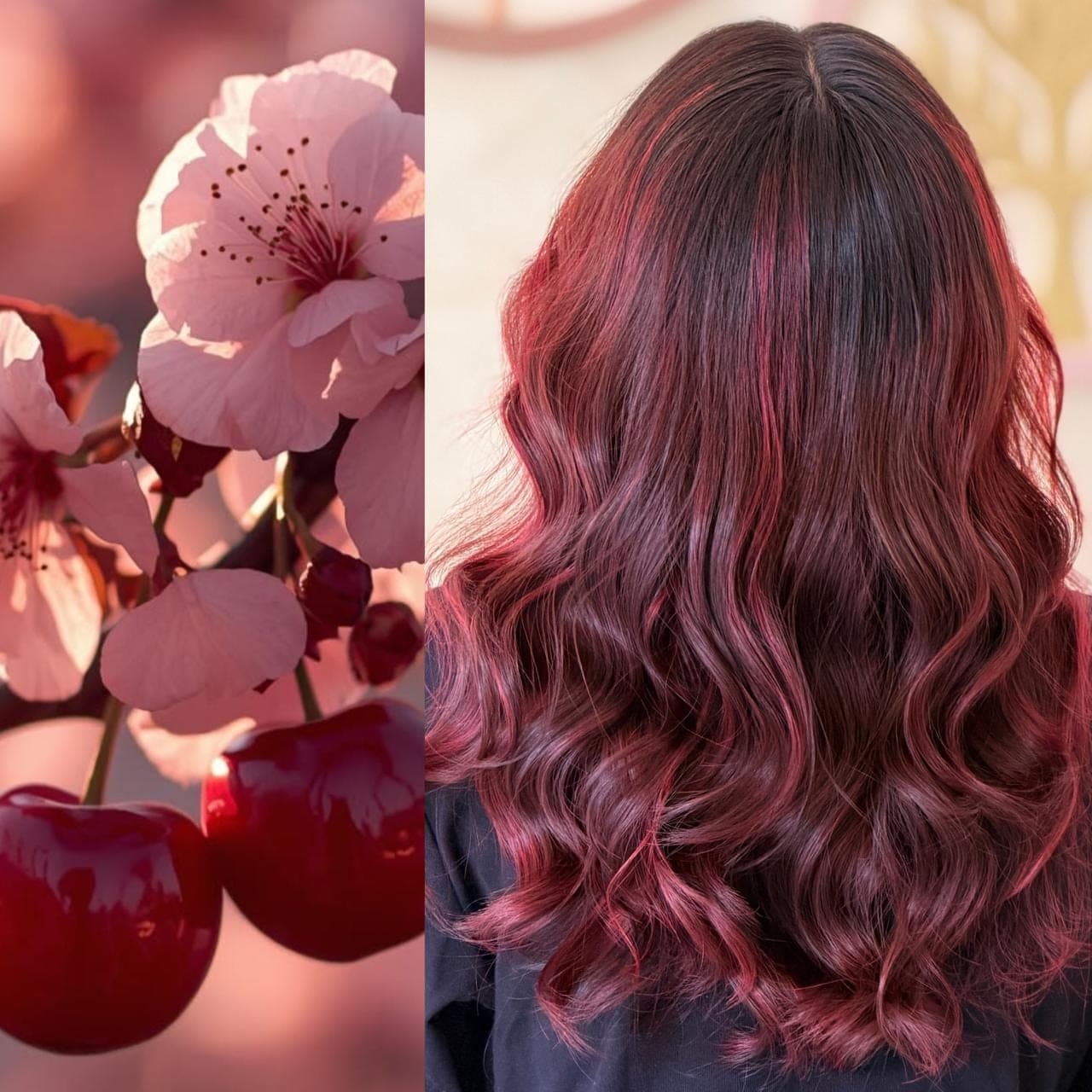
- Burgundy
- Copper
- Chocolate Brown
- Caramel
- Ash Brown
- Mocha Brown
- Honey Blonde
- Red Velvet
- Wine
- Rose Brown
Book a shade consultation with our colour team in Rajkot.
Hair colour servicesTrending Hair Colors in 2026
Popular salon trends include:
- Soft Mocha Brunette
- Chocolate Brown
- Honey Blonde
- Skin-Toned Balayage
- Caramel Highlights
- Copper Brown
- Espresso Brown
- Natural Glossy Black
Current trends emphasize soft dimension, personalized shades, and healthy-looking hair rather than dramatic contrast.
How We Choose the Right Hair Color
Our consultation includes:
- 1.Hair Analysis
- 2.Skin Tone Assessment
- 3.Lifestyle Discussion
- 4.Hair Health Check
- 5.Shade Recommendation
- 6.Professional Hair Coloring
- 7.Hair Gloss & Finish
- 8.Aftercare Guidance
Which Hair Color Suits You?
Warm Skin Tone
Best shades:
- Chocolate Brown
- Honey Brown
- Caramel
- Copper
- Golden Brown
Cool Skin Tone
Best shades:
- Ash Brown
- Cool Blonde
- Burgundy
- Mocha Brown
- Espresso Brown
Neutral Skin Tone
You can explore almost every shade, including:
- Balayage
- Global Brown
- Honey Blonde
- Chocolate
- Soft Copper
Selecting hair color based on undertones helps create a more flattering and natural-looking result.
Hair Color Process at Selestia Premium Ladies Salon
Hair Consultation
We understand your expectations and evaluate your hair.
Hair Preparation
Hair is prepared for coloring with professional products.
Hair Coloring
Color is applied carefully using advanced techniques.
Processing Time
The color develops under controlled timing.
Hair Wash
Professional color-safe shampoo and conditioner are used.
Hair Gloss
Gloss treatment enhances shine and vibrancy.
Styling
Your new look is completed with professional styling.
Hair Color Aftercare Tips
To maintain beautiful color:
- Use sulfate-free shampoo.
- Wash hair with cool or lukewarm water.
- Use color-protect conditioner.
- Apply heat protectant before styling.
- Deep condition weekly.
- Protect hair from excessive sun exposure.
- Schedule regular glossing treatments.
- Visit the salon for timely touch-ups.
Color-safe products and regular maintenance help preserve shine and reduce fading.
Coloured hair needs deeper conditioning — here's the ritual.
Hair spa guideHair Color Cost in Rajkot
The cost depends on:
- Hair length
- Hair thickness
- Technique chosen
- Number of colors
- Products used
- Hair condition
At Selestia Premium Ladies Salon, every client receives a personalized consultation before treatment.
Why Choose Selestia Premium Ladies Salon?
- Professional Hair Color Specialists
- Premium International Hair Color Products
- Customized Shade Consultation
- Latest Hair Coloring Techniques
- Luxury Salon Experience
- Hygienic Environment
- Personalized Hair Care Advice
- Focus on Healthy, Beautiful Hair
Why Women in Rajkot Trust Selestia
Women across Rajkot choose Selestia because we combine:
- Personalized consultations
- Premium color formulas
- Modern coloring techniques
- Natural-looking results
- Hair health-focused treatments
- Professional aftercare support
Book the Best Hair Color Salon in Rajkot
If you're searching for the best hair color salon in Rajkot, Selestia Premium Ladies Salon offers personalized consultations, premium products, and advanced coloring techniques to help you achieve vibrant, healthy-looking hair that reflects your unique style.