Healthy hair isn't just about using expensive products—it's about following the right hair care routine. If you're searching for hair care tips by experts in Rajkot, you've come to the right place.
Rajkot's hot climate, hard water, dust, pollution, and humidity can make hair dry, frizzy, and prone to breakage. With the right routine and professional guidance, you can maintain healthy, shiny, and manageable hair throughout the year.
At Selestia Premium Ladies Salon, our hair experts help clients achieve beautiful hair with personalized care, advanced treatments, and premium hair products suitable for every hair type.
Why Hair Care Is Important
Healthy hair begins with a healthy scalp. Neglecting your hair can lead to:
- Hair fall
- Dry hair
- Split ends
- Frizz
- Dandruff
- Hair thinning
- Lack of shine
- Scalp irritation
Following a proper hair care routine helps protect your hair from environmental damage while improving strength, shine, and manageability.
15 Expert Hair Care Tips
1. Know Your Hair Type
Every hair type requires different care.
- Straight Hair
- Wavy Hair
- Curly Hair
- Coily Hair
- Fine Hair
- Thick Hair
- Oily Hair
- Dry Hair
Understanding your hair type helps you choose the right shampoo, conditioner, and treatments.
2. Wash Your Hair Correctly
Many people wash their hair too often.
Experts recommend:
- Oily Hair → Every 2–3 days
- Normal Hair → 2–3 times a week
- Dry Hair → 1–2 times a week
Always use lukewarm water instead of very hot water, as hot water can dry the hair and scalp.
3. Use Sulfate-Free Shampoo
Choose a shampoo suitable for your scalp condition.
Sulfate-free shampoos are especially recommended after:
- Keratin Treatment
- Nanoplastia
- Hair Botox
- Hair Smoothening
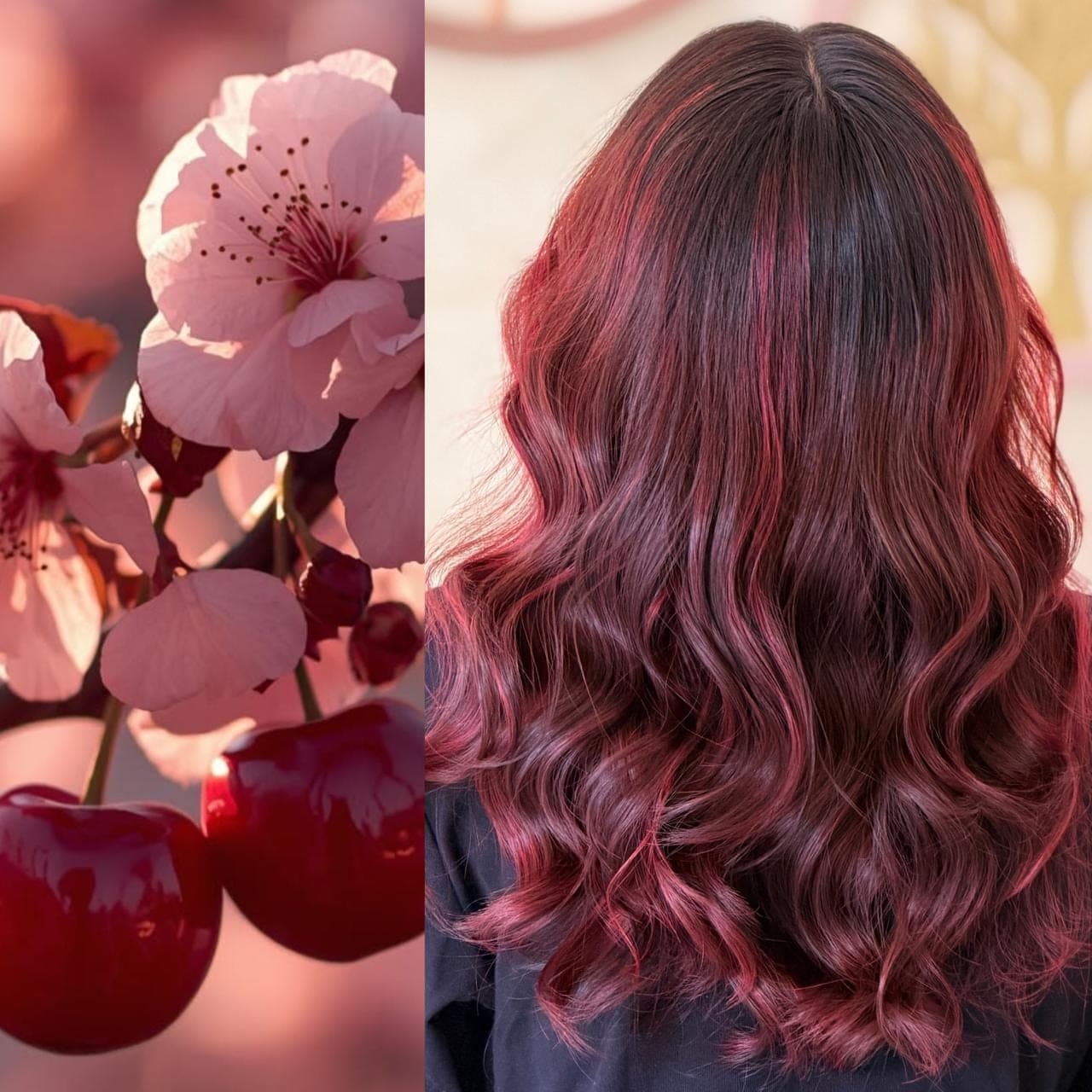
- Hair Coloring
4. Never Skip Conditioner
Conditioner helps:
- Lock in moisture
- Reduce frizz
- Prevent tangles
- Improve shine
- Protect hair from damage
Apply conditioner mainly to the mid-lengths and ends of your hair.
5. Oil Your Hair Regularly
Hair oiling nourishes the scalp and improves hair softness.
Popular oils include:
- Coconut Oil
- Argan Oil
- Almond Oil
- Rosemary Oil
- Olive Oil
Massage gently for a few minutes before washing.
6. Limit Heat Styling
Frequent use of straighteners, curling irons, and blow dryers can weaken the hair.
Always apply a heat protectant before using hot styling tools.
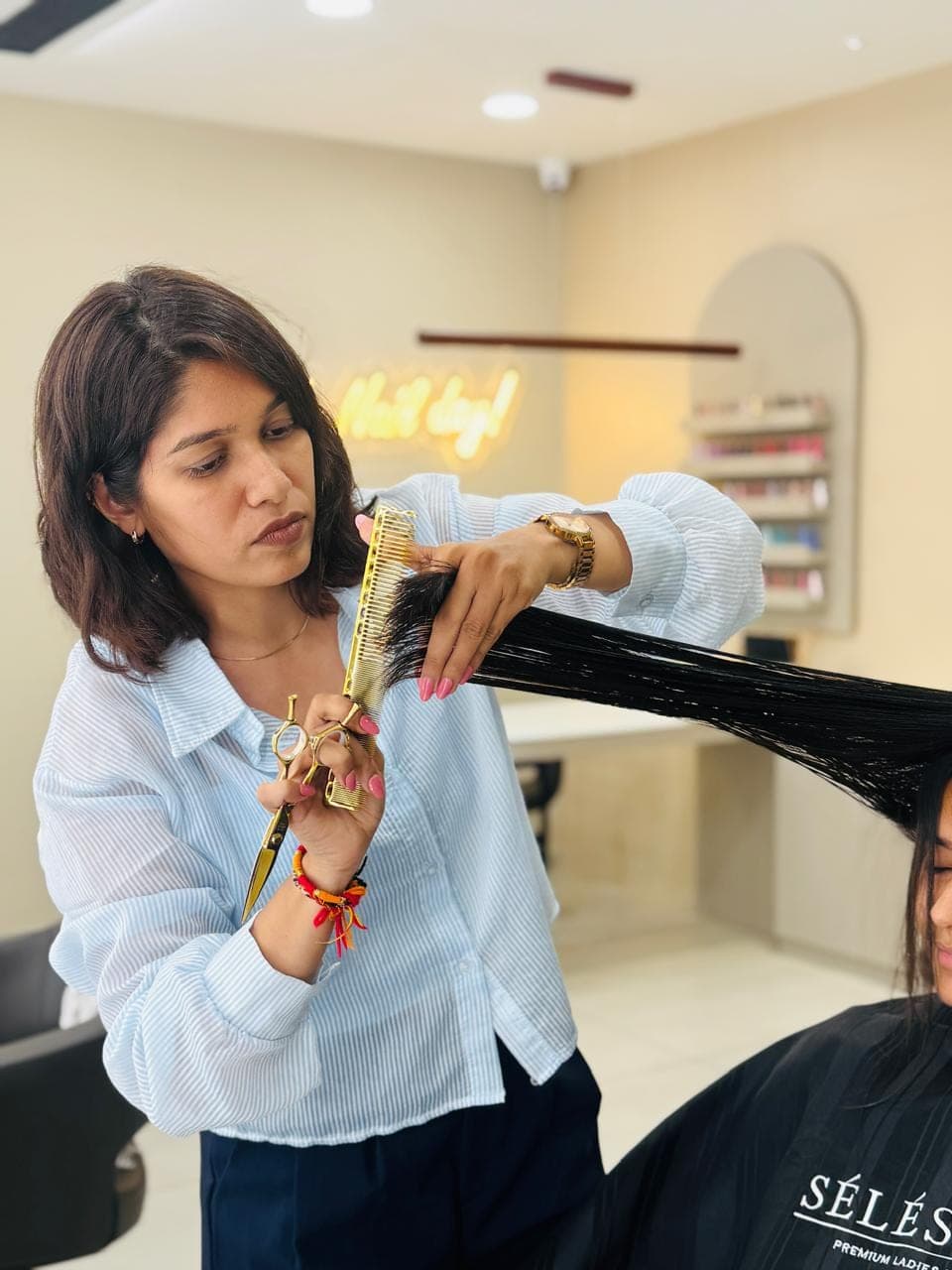
7. Trim Your Hair Every 8–10 Weeks
Regular trims help:
- Remove split ends
- Reduce breakage
- Maintain healthy-looking hair
- Improve styling
8. Protect Hair from Sun & Pollution
Rajkot's weather can expose hair to:
- UV rays
- Dust
- Pollution
- Heat
- Hard water
Wear a scarf or hat outdoors when possible and rinse your hair after heavy exposure to dust or chlorine.
9. Eat a Balanced Diet
Healthy hair starts from within.
Include foods rich in:
- Protein
- Iron
- Zinc
- Omega-3 fatty acids
- Vitamin D
- Biotin
- Vitamin C
A balanced diet supports overall hair health, although supplements should only be taken if recommended by a healthcare professional.
10. Stay Hydrated
Drink enough water every day.
Hydration supports:
- Healthy scalp
- Hair elasticity
- Reduced dryness
- Overall hair appearance
11. Avoid Tight Hairstyles Every Day
Constantly wearing very tight ponytails or buns may contribute to hair breakage and traction-related hair loss.
Choose loose hairstyles whenever possible.
12. Get Regular Hair Spa Treatments
Professional hair spa treatments help:
- Deeply nourish hair
- Improve moisture
- Reduce frizz
- Relax the scalp
- Restore shine
Experts often recommend a professional hair spa every 4–6 weeks, depending on your hair condition.
What a professional hair spa actually involves, step by step.
Hair spa guide13. Choose Professional Hair Treatments
Different hair concerns require different treatments.
- Frizzy Hair → Keratin Treatment
- Damaged Hair → Hair Botox
- Dry Hair → Hair Spa
- Smooth Finish → Hair Smoothening
- Long-Lasting Smooth Hair → Nanoplastia
Always consult a professional before choosing an advanced hair treatment.
Compare every hair treatment we offer in Rajkot.
Hair services14. Use the Right Comb
Use:
- Wide-tooth comb for wet hair
- Paddle brush for straight hair
- Curl-friendly comb for curly hair
Avoid brushing wet hair aggressively, as it is more prone to breakage.
15. Visit a Professional Salon
Regular professional consultation helps identify hair problems early and ensures your hair care routine matches your hair type and lifestyle.
Common Hair Problems & Solutions
Hair Fall
Possible causes:
- Stress
- Nutritional deficiencies
- Hormonal changes
- Poor scalp health
Professional consultation can help identify the underlying cause.
Frizzy Hair
Solutions:
- Hair Spa
- Keratin Treatment
- Sulfate-Free Shampoo
- Hair Serum
Dry Hair
Recommended:
- Deep conditioning
- Hair masks
- Hair oiling
- Professional hydration treatments
Split Ends
Only trimming can remove split ends. Hair serums and conditioners may temporarily improve their appearance but cannot permanently repair them.
Dandruff
Maintain scalp hygiene and seek professional advice if dandruff is persistent or severe.
Why Women in Rajkot Need Extra Hair Care
Rajkot's environment can affect hair due to:
- High temperatures
- Dust
- Pollution
- Hard water
- Humidity
A consistent hair care routine and regular professional treatments help maintain healthier hair despite these conditions.
Professional Hair Treatments at Selestia Premium Ladies Salon
We offer:
- Hair Spa
- Keratin Treatment
- Nanoplastia
- Hair Botox
- Hair Smoothening
- Hair Coloring
- Scalp Consultation
- Hair Repair Treatments
Every treatment begins with a personalized consultation to understand your hair goals.
Why Choose Selestia Premium Ladies Salon?
- Experienced Hair Experts
- Personalized Hair Consultation
- Premium Professional Products
- Advanced Hair Treatments
- Hygienic Luxury Salon
- Modern Hair Care Techniques
- Customized Hair Care Plans
- Trusted by Women Across Rajkot