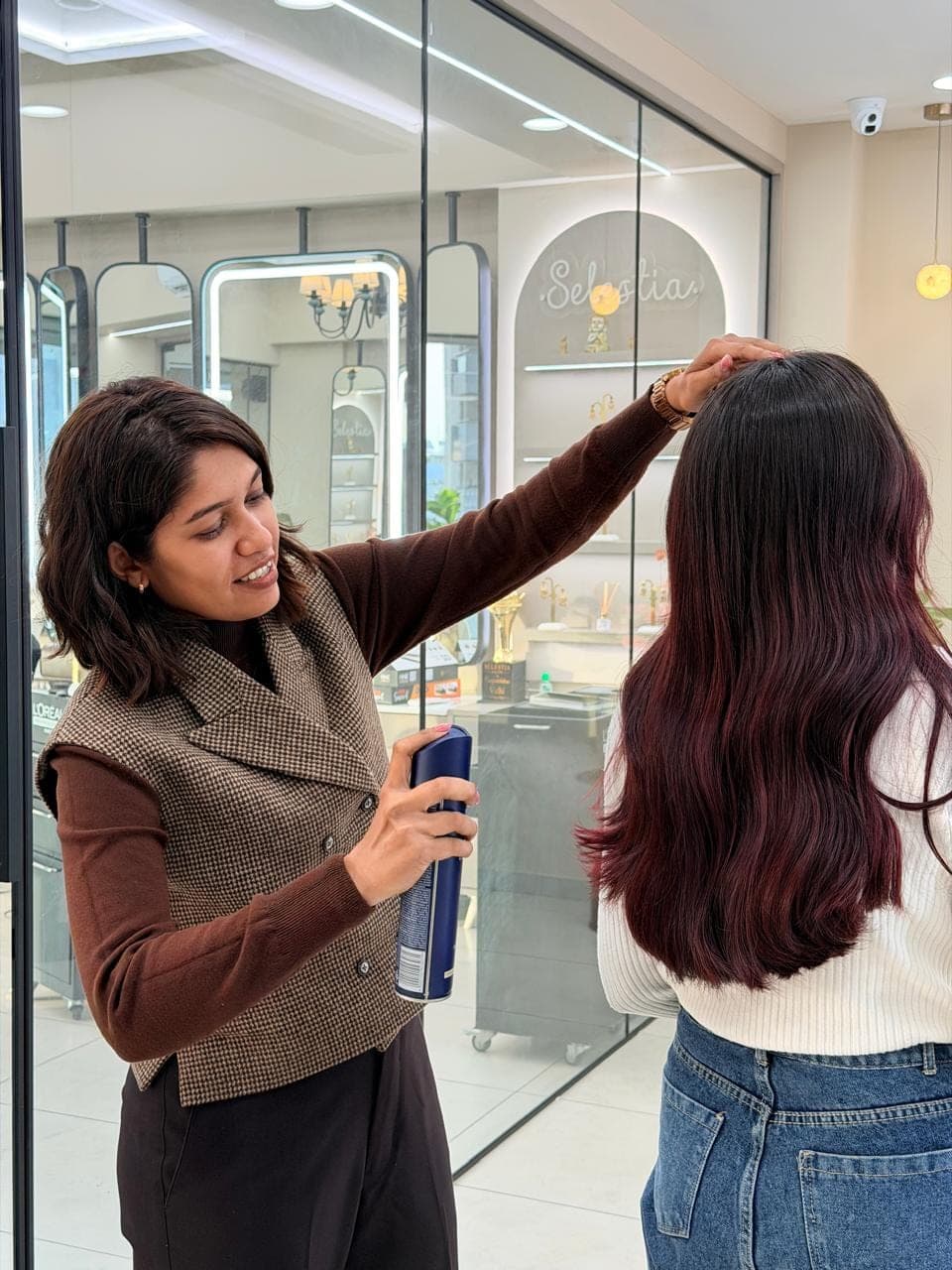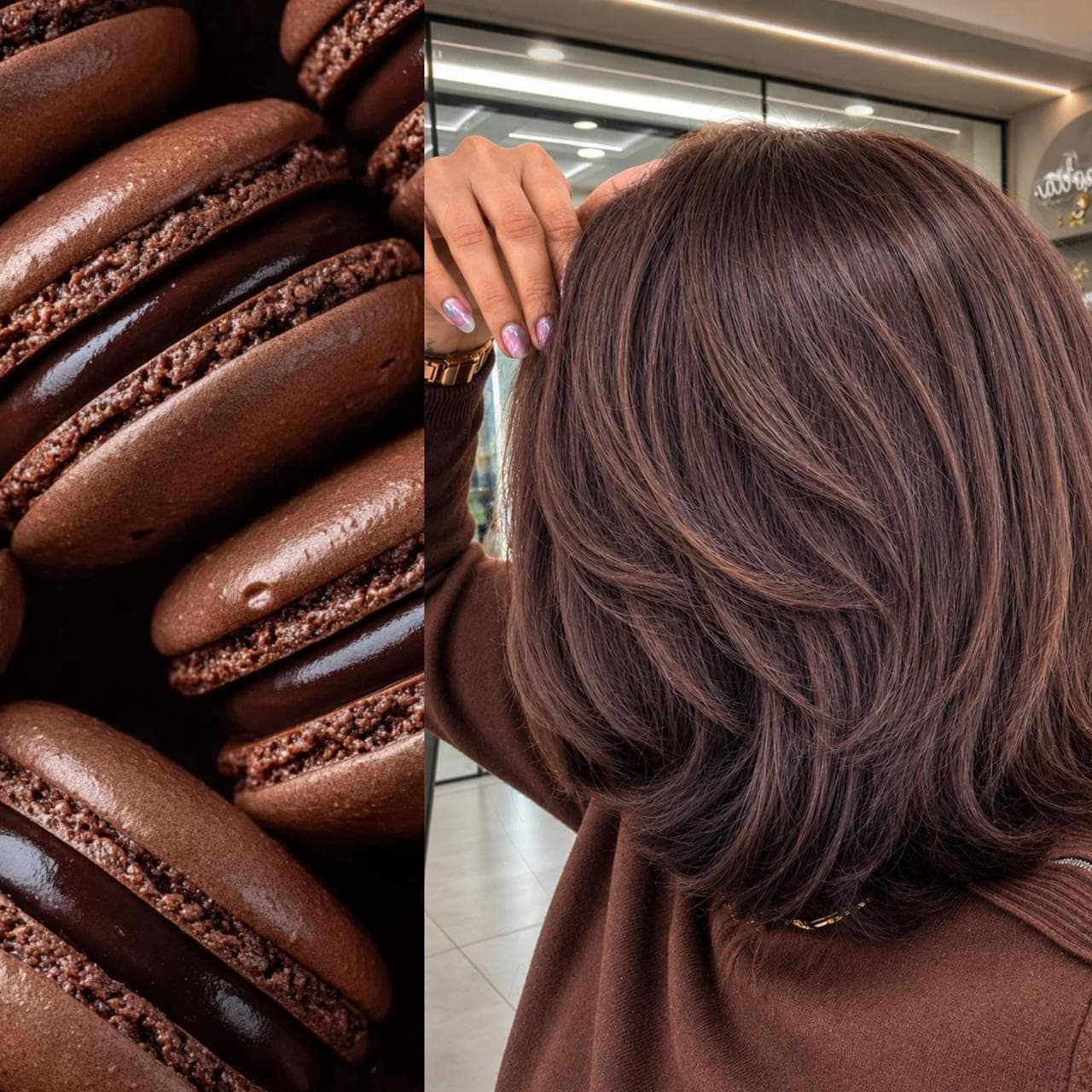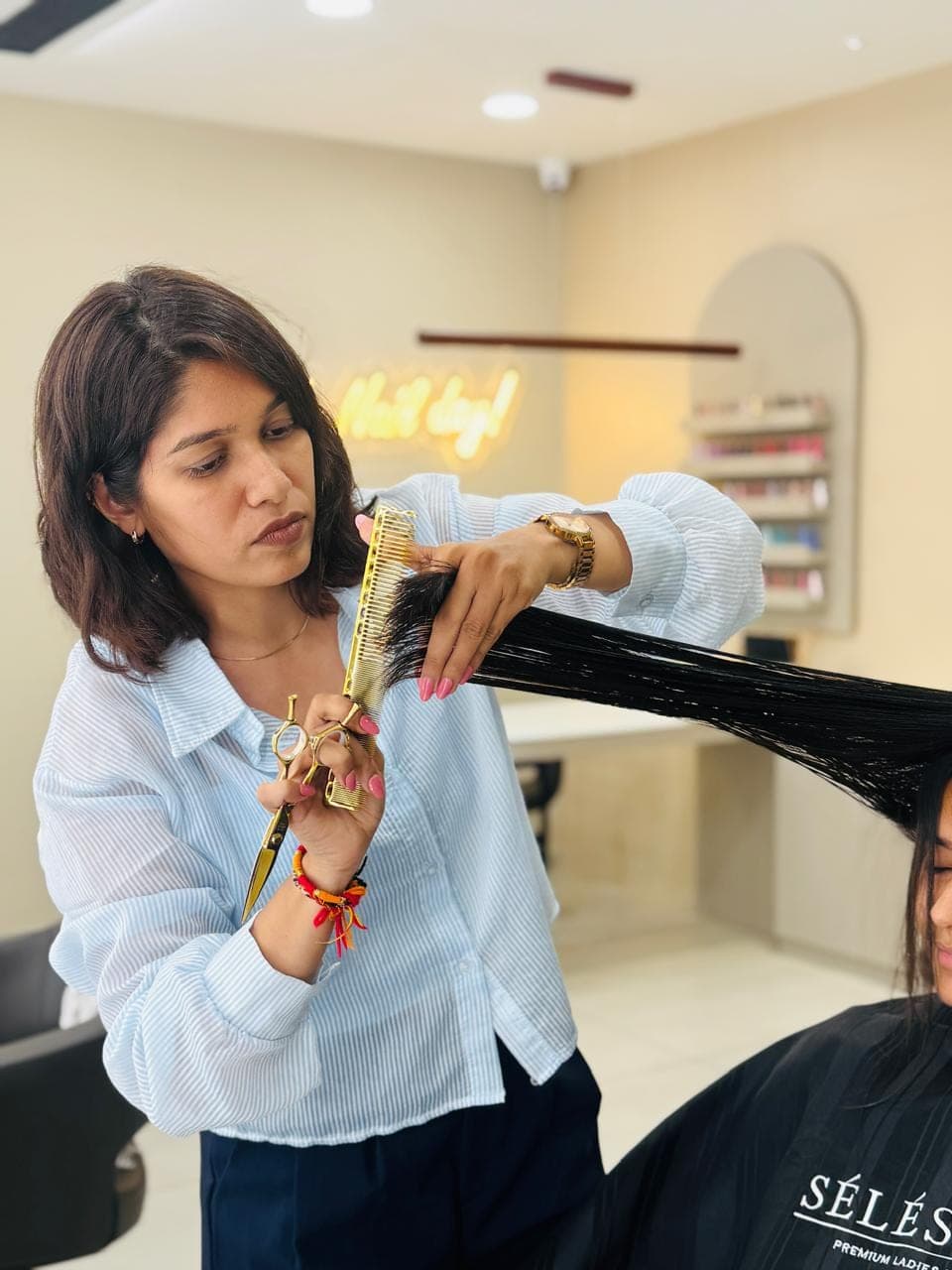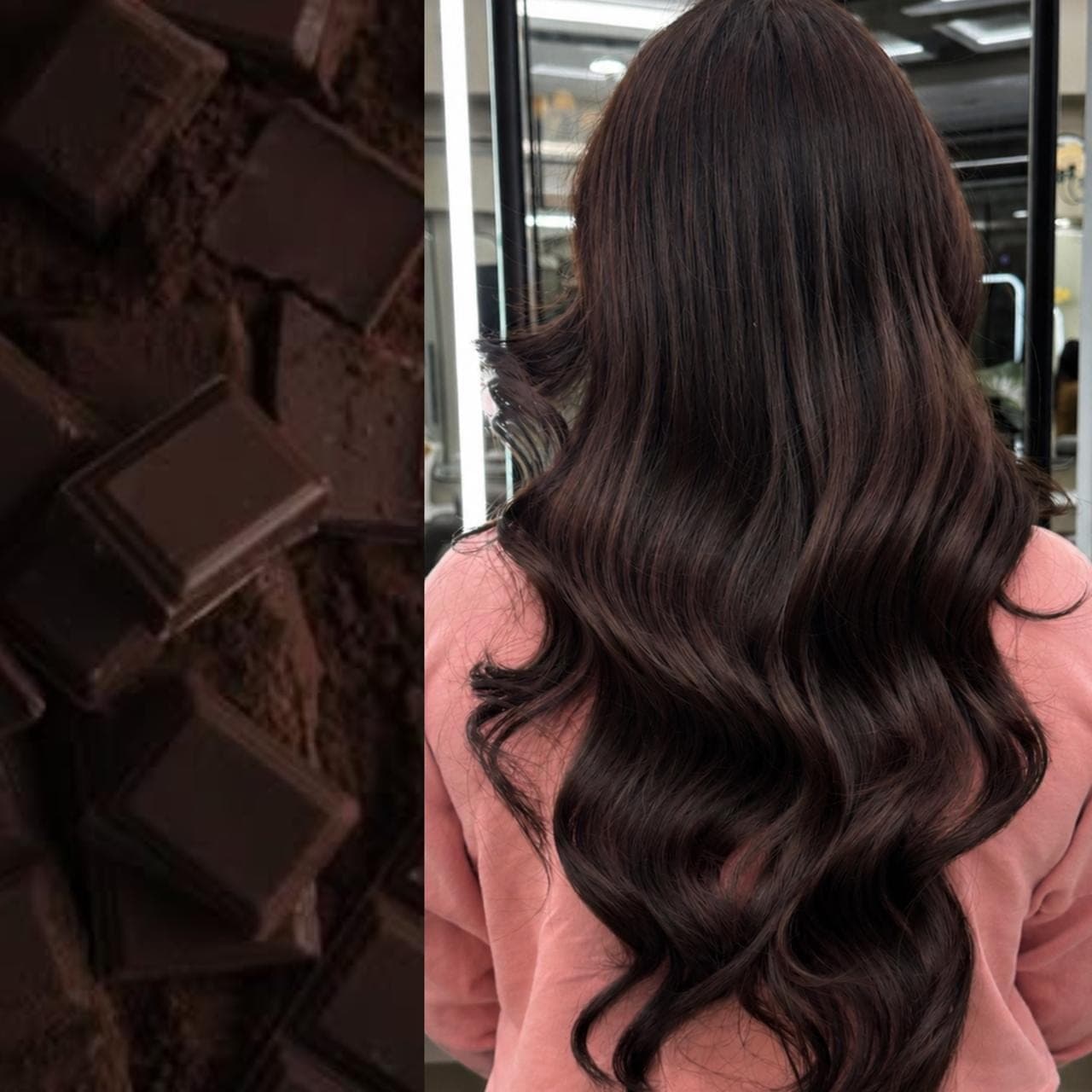
If you're searching for the best Nanoplastia hair treatment in Rajkot, you're probably looking for a long-lasting solution to frizzy, dry, damaged, or difficult-to-manage hair.
Nanoplastia is one of the most advanced hair smoothing treatments available today. Unlike traditional chemical straightening methods, it uses amino acids and nano-sized ingredients to deeply nourish the hair while reducing frizz and improving smoothness. Many modern Nanoplastia systems are formulated without formaldehyde, making them a popular alternative for clients seeking smoother hair with less exposure to harsh chemicals.
At Selestia Premium Ladies Salon, our professional hair experts provide customized Nanoplastia treatments designed for Indian hair, helping you achieve soft, silky, healthy-looking hair with long-lasting results.
What is Nanoplastia Hair Treatment?
Nanoplastia is an advanced salon treatment that smooths, hydrates, and repairs hair using nano-technology, amino acids, collagen, and nourishing ingredients that penetrate deep into the hair shaft. Instead of only coating the surface, the treatment helps improve the internal structure of the hair while reducing frizz and adding shine.
Benefits of Nanoplastia Hair Treatment
Professional Nanoplastia offers numerous benefits:
- Up to 90% frizz reduction
- Naturally smooth hair
- Deep hair repair
- Long-lasting shine
- Softer and silkier texture
- Easier daily styling
- Reduced hair breakage
- Better humidity resistance
- Suitable for most hair types
- More natural-looking results than traditional rebonding
With proper aftercare, results commonly last 4–6 months, and sometimes longer depending on the product used and your hair care routine.
Who Should Choose Nanoplastia?
Nanoplastia is ideal if you have:
- Frizzy hair
- Dry hair
- Damaged hair
- Wavy hair
- Curly hair
- Thick hair
- Colored hair
- Chemically treated hair
- Unmanageable hair
- Hair affected by humidity
Signs You Need Nanoplastia
You may benefit from this treatment if:
- Your hair becomes frizzy after every wash.
- Humidity makes your hair puff up.
- You spend a long time blow-drying or straightening your hair.
- Your hair feels rough and lifeless.
- You struggle with tangled, difficult-to-manage hair.
- You want smoother hair without daily heat styling.
Nanoplastia Hair Treatment Process at Selestia Premium Ladies Salon
Step 1 – Hair Consultation
Our experts assess your hair condition, previous chemical treatments, and desired results.
Step 2 – Clarifying Shampoo
Hair is deeply cleansed to remove oil, dirt, and product buildup.
Step 3 – Nanoplastia Application
The treatment is applied section by section to ensure even coverage.
Step 4 – Processing Time
The nourishing ingredients are allowed to penetrate the hair.
Step 5 – Blow Dry
Hair is dried before heat sealing.
Step 6 – Heat Activation
A professional flat iron helps seal the treatment into the hair.
Step 7 – Final Finish
Hair is styled to reveal a smooth, glossy, and healthy appearance.
Book a Nanoplastia consultation with our hair experts in Rajkot.
Hair servicesHow Long Does Nanoplastia Last?
With the right aftercare, Nanoplastia generally lasts 4–6 months, although some premium products may last longer. Longevity depends on:
- Hair type
- Washing frequency
- Home care routine
- Heat styling
- Sulfate-free products
Nanoplastia vs Keratin Treatment
| Nanoplastia | Keratin |
|---|---|
| Often formaldehyde-free | Depends on the product used |
| Deep repair with smoothing | Focuses mainly on frizz reduction and smoothness |
| More natural straight finish | Smooth finish with retained volume |
| Lasts around 4–6 months | Usually lasts 3–6 months |
| Suitable for damaged and colored hair | Suitable for many hair types |
The best option depends on your hair type and styling goals. A consultation with a professional stylist can help determine the right treatment.
Still weighing up keratin?
Keratin treatment guideWhy Women in Rajkot Choose Nanoplastia
Rajkot's climate often exposes hair to:
- Heat
- Humidity
- Dust
- Pollution
- Hard water
These factors can make hair rough, dry, and frizzy. Nanoplastia helps restore smoothness, shine, and manageability, making it easier to care for your hair every day.
Nanoplastia Aftercare Tips
To maintain beautiful results:
- Use sulfate-free shampoo.
- Wash hair only when needed.
- Use a nourishing conditioner.
- Apply heat protectant before styling.
- Avoid excessive chlorine exposure.
- Use a weekly hair mask.
- Trim split ends regularly.
- Follow your stylist's maintenance advice.
Proper aftercare is key to preserving smoothness and shine.
Nanoplastia Hair Treatment Cost in Rajkot
The cost depends on:
- Hair length
- Hair density
- Hair condition
- Products used
- Time required
At Selestia Premium Ladies Salon, every client receives a personalized consultation so we can recommend the most suitable treatment for their hair.
Why Choose Selestia Premium Ladies Salon?
- Certified Hair Professionals
- Premium International Hair Products
- Customized Hair Analysis
- Hygienic Luxury Salon
- Modern Hair Treatment Techniques
- Personalized Hair Care Advice
- Comfortable Premium Ambience
- Focus on Hair Health & Client Satisfaction